Understanding Probability in Casino Games
Probability is a fundamental concept that governs the outcomes of casino games. At its core, probability measures the likelihood that a specific event will occur compared to all possible outcomes. For instance, in a standard deck of playing cards, the probability of drawing an Ace is 4 out of 52. This mathematical approach is not just applicable to card games but is also critical in games like roulette and dice, making it vital for those seeking the best online pokies australia payid experience. Learning to calculate these probabilities is essential for anyone looking to understand how games function at a basic level.
When you engage in a casino game, every action you take can be evaluated using the principles of probability. Games like blackjack require players to assess the risk associated with hitting or standing, where basic probability can guide strategy. In roulette, understanding the likelihood of hitting a red or black can determine betting strategies. Consequently, players need to familiarize themselves with these probabilities to make informed decisions and enhance their overall gaming experience.
Moreover, casinos often have established probabilities reflected in their house edge, which represents the mathematical advantage the casino has over players. Knowing this concept helps players to gauge the risk-reward ratio of different games, enabling them to choose wisely based on their risk tolerance. Ultimately, a solid grasp of probability forms the foundation of successful gambling strategies, allowing players to navigate casino games with greater confidence.
The House Edge Explained
The house edge is a key mathematical concept that is pivotal to casino games. It indicates the percentage of each bet that the casino expects to keep over the long term. For example, in a game of roulette, the house edge typically hovers around 5.26% for American roulette due to the presence of both a 0 and 00 on the wheel. This means that for every $100 wagered, the casino expects to earn $5.26 as profit, regardless of the outcome of individual games.
Understanding the house edge is vital for players who want to make informed choices about which games to play. Some games have higher house edges, making them less favorable for players. For instance, slots can often have higher house edges compared to table games like blackjack or baccarat. Players should analyze these factors and select games that offer a lower house edge to maximize their chances of winning in the long run.
Additionally, the house edge can vary significantly between different variations of the same game. For example, European roulette, which only features a single 0, offers a lower house edge of approximately 2.7%. Therefore, savvy players can improve their odds by opting for games or variations that present a more favorable house edge, thereby potentially enhancing their overall gaming experience and prospects for winning.
Strategies for Popular Casino Games
When it comes to casino games, employing effective strategies can significantly influence a player’s success. In games like blackjack, basic strategy charts provide players with guidance on whether to hit, stand, double down, or split based on their hand and the dealer’s upcard. These charts are derived from mathematical probabilities and have been tested through simulations to optimize winning potential. Adopting such strategies can help reduce the house edge and enhance a player’s overall performance.
In addition to blackjack, poker demands a different skill set rooted in mathematics. Players must calculate pot odds, implied odds, and their chances of completing a hand compared to the bets they are facing. Understanding these calculations can often mean the difference between winning and losing, as they inform decisions on whether to call, raise, or fold based on potential payouts versus risks taken.
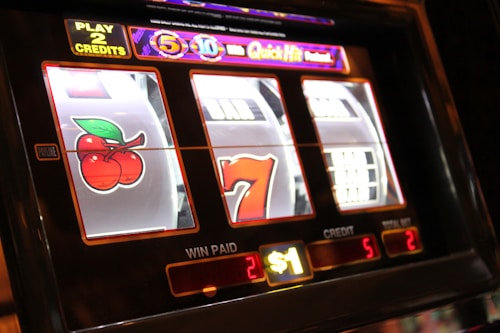
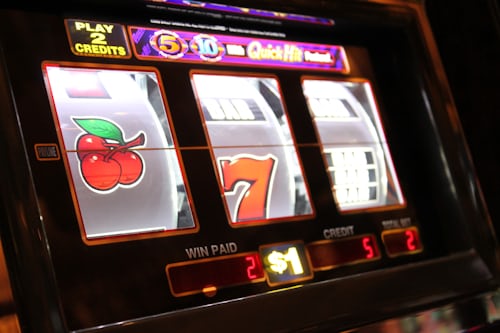
Moreover, for games such as slots, which are primarily based on luck, players can still enhance their strategy by choosing machines with better payout percentages. Players should look for slots with higher return-to-player (RTP) rates, which can indicate a better chance of winning in the long term. By applying these different strategies across various casino games, players can engage more thoughtfully and potentially improve their chances of a favorable outcome.
Bankroll Management Techniques
Effective bankroll management is an essential skill for anyone venturing into the world of casino games. It involves setting limits on how much money you are willing to spend while playing, ensuring that you don’t exceed your capacity to lose. A common approach is to designate a specific amount of money for gambling and to stick to it strictly, regardless of whether you’re winning or losing. Doing so protects you from undue financial strain and helps maintain a more enjoyable experience.
Another technique is to divide your bankroll into smaller portions, allocating a specific amount for each session. For instance, if you have $500 for a weekend of play, you might decide to spend $100 per day. This systematic approach mitigates the risk of losing your entire bankroll in a single session and encourages more prudent decision-making. Furthermore, tracking wins and losses over time can provide invaluable insights into your gaming habits and help refine your strategies as needed.
Finally, setting win and loss limits can help reinforce responsible gaming behavior. For example, if you reach your win limit, consider stopping for the day, as further play could lead to losing your winnings back to the house. Similarly, acknowledging a loss threshold can help you know when it’s time to pause or take a break. This discipline ensures that gambling remains a fun and recreational activity rather than turning into a potentially harmful habit.
Your Guide to Responsible Gaming
Engaging with casino games can be a thrilling experience, but it is crucial to approach it with a mindset of responsibility. Understanding the mathematics behind these games equips you with the knowledge to make informed decisions, but it is equally important to recognize the risks involved. Setting personal limits, both financially and in terms of time spent playing, can ensure that gaming remains an entertaining pastime rather than a source of stress or anxiety.
Moreover, players should remain aware of their emotional state while gambling. Sometimes, the excitement of winning can lead to impulsive decisions, driving players to chase losses. Acknowledging that losses are part of the game can help mitigate this tendency. Likewise, taking breaks during gaming sessions can provide perspective and help maintain a level head when making decisions.
Whether you’re a beginner or a seasoned player, the principles of responsible gaming should always be front and center. Emphasizing education about the games you play, betting within your means, and recognizing when to step away can help foster a healthier relationship with gambling, ultimately leading to a more enjoyable experience.